Adjustable DC Bench Power Supply Buying Guide: 30V / 60V / 120V for Electronics Repair
Images and product details come from third-party platforms and belong to their respective owners. They are shown for reference only.
Affiliate link — we may earn a commission at no extra cost to you.
About this product
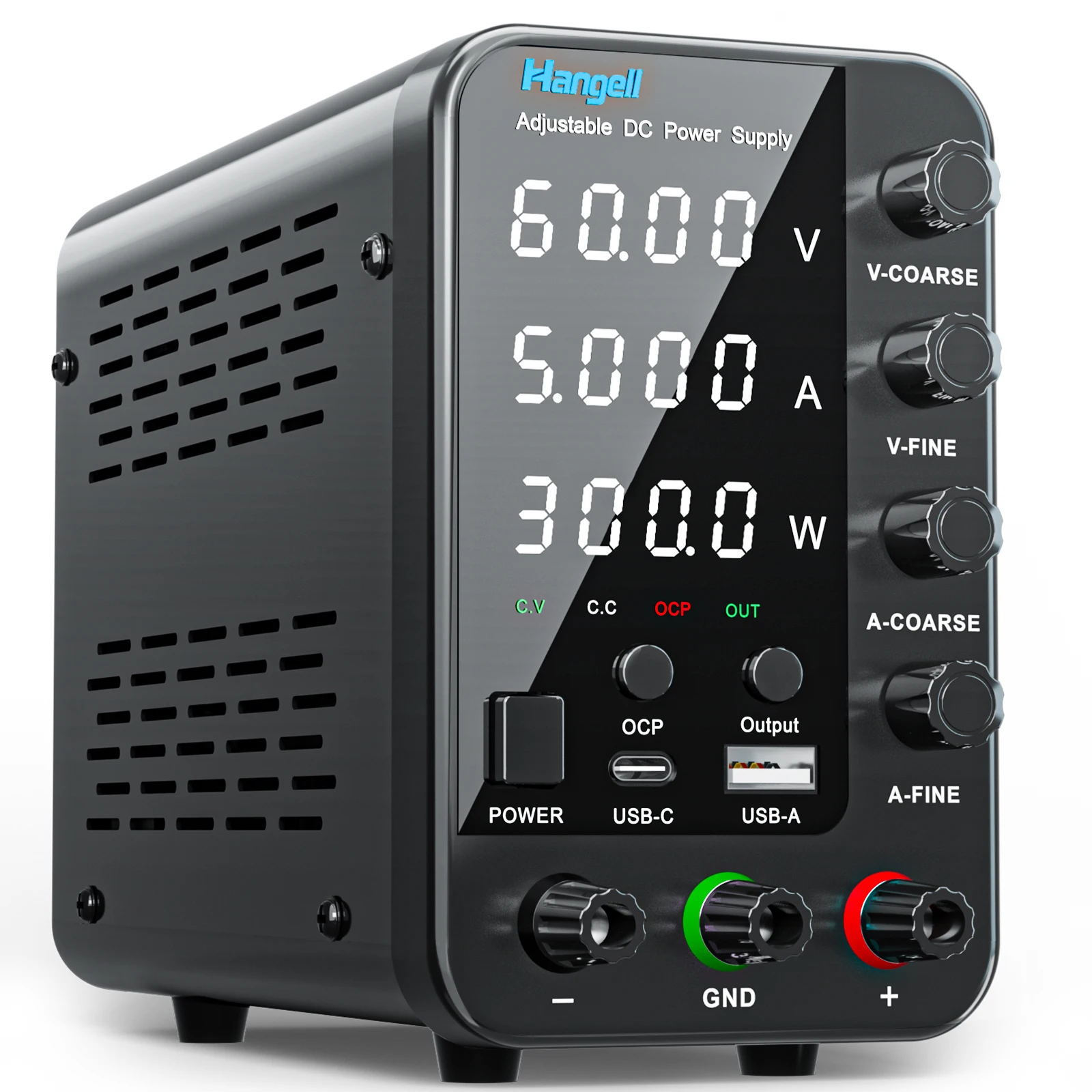
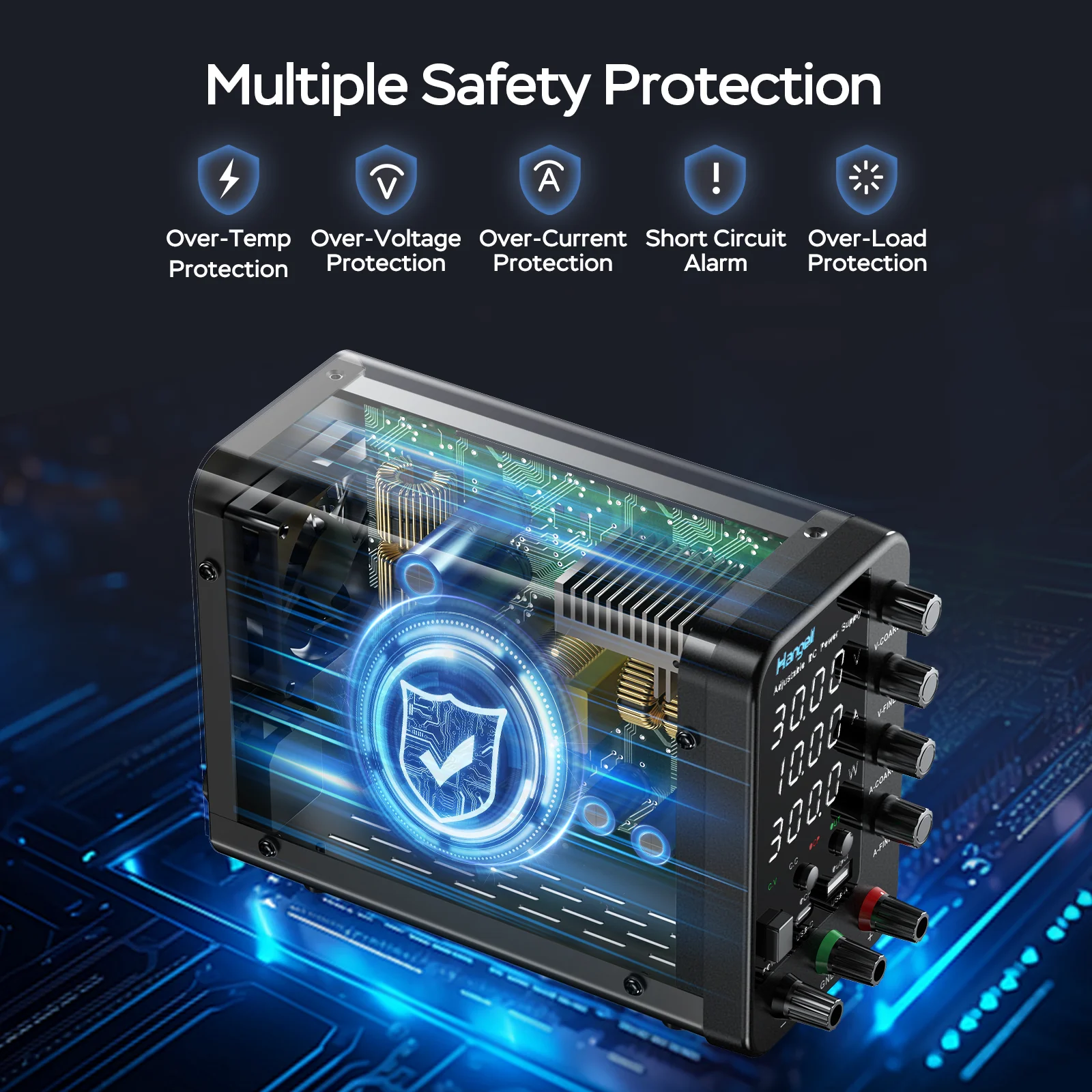
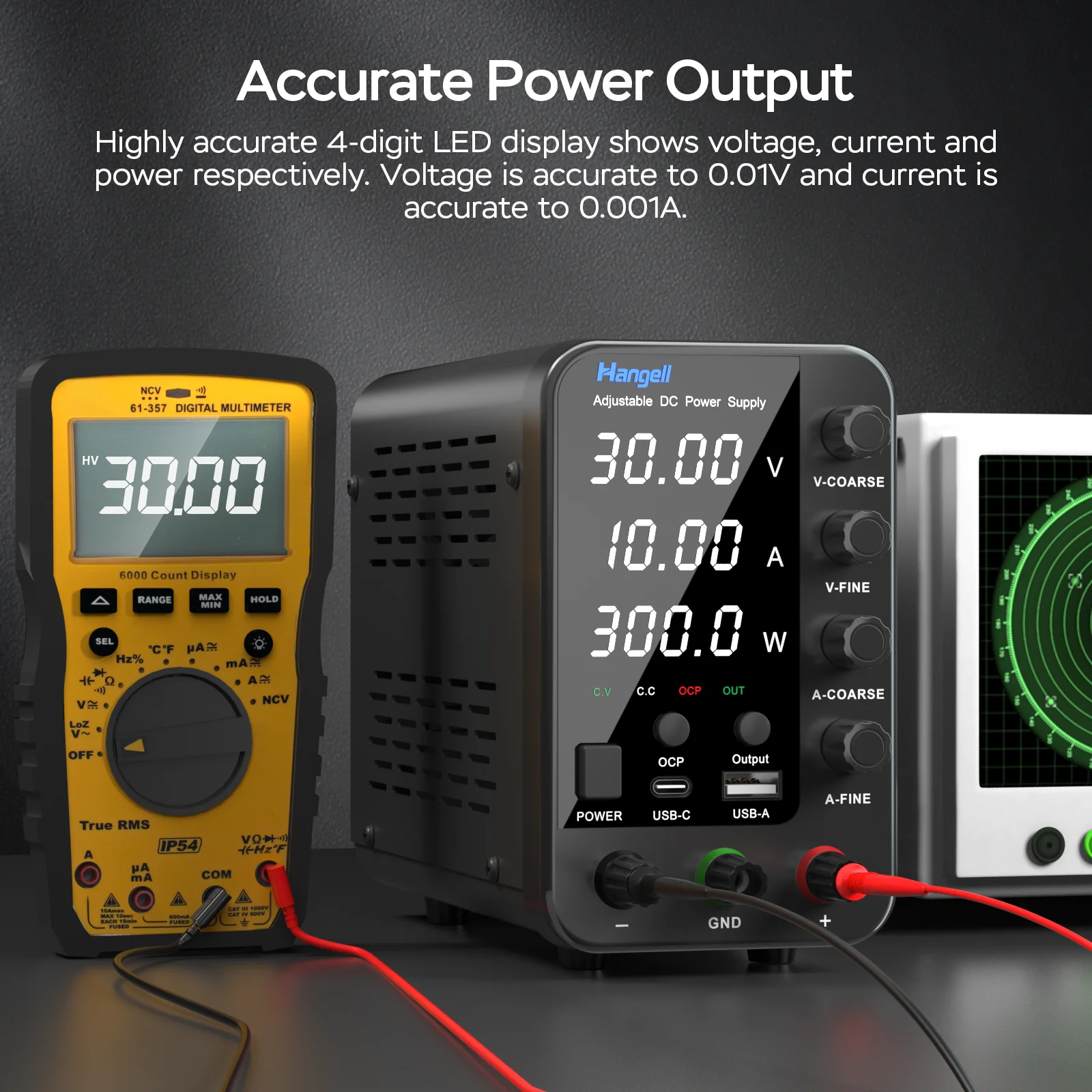
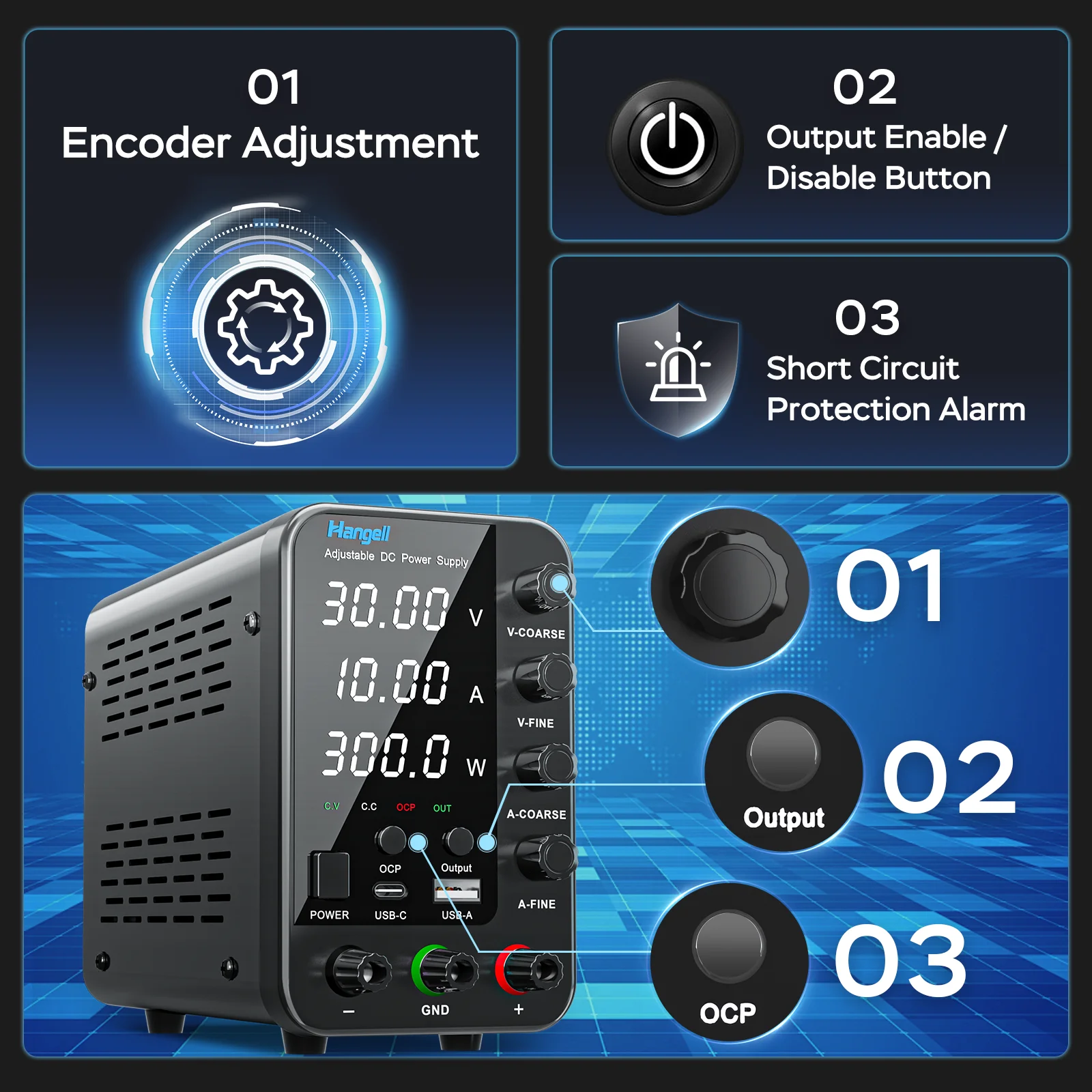
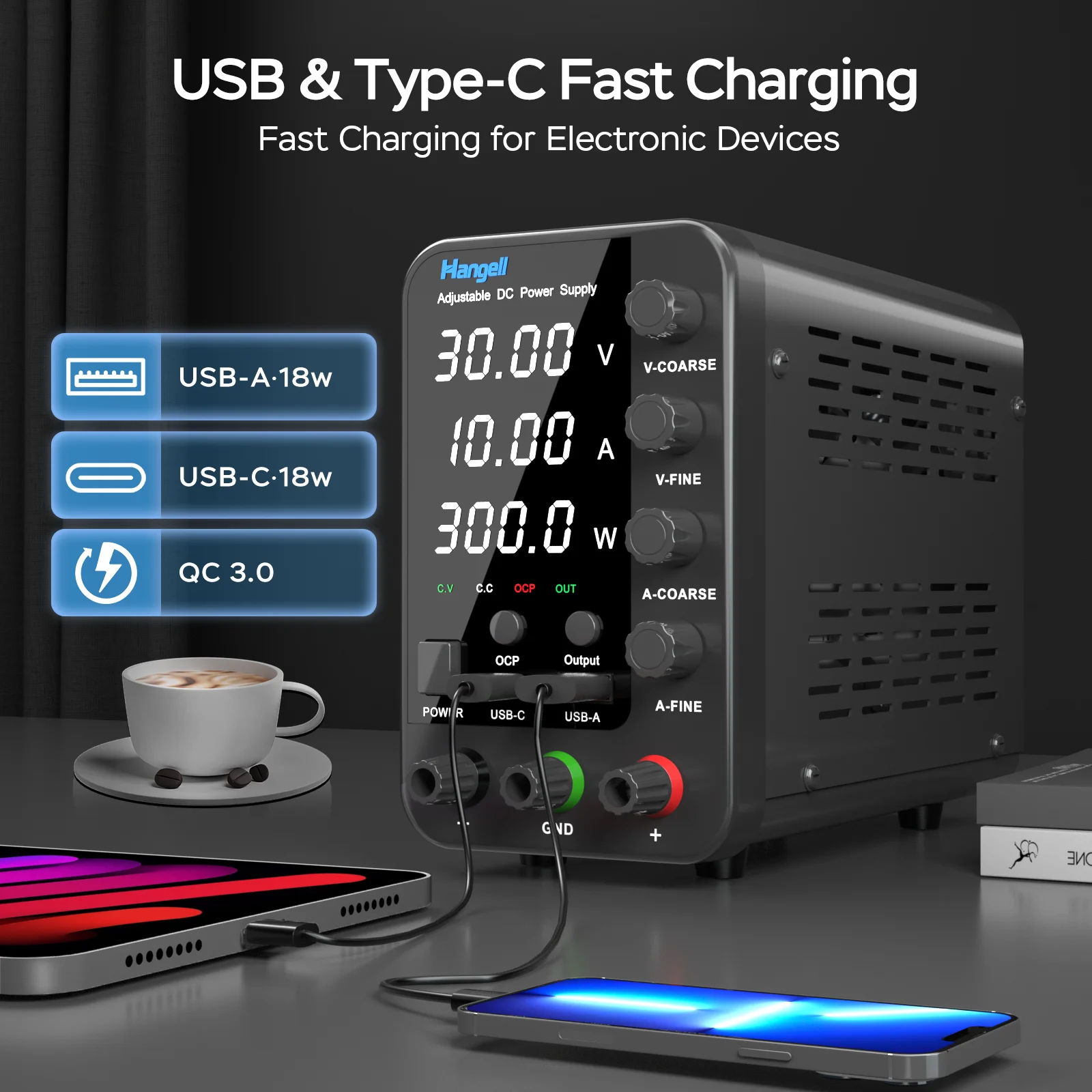
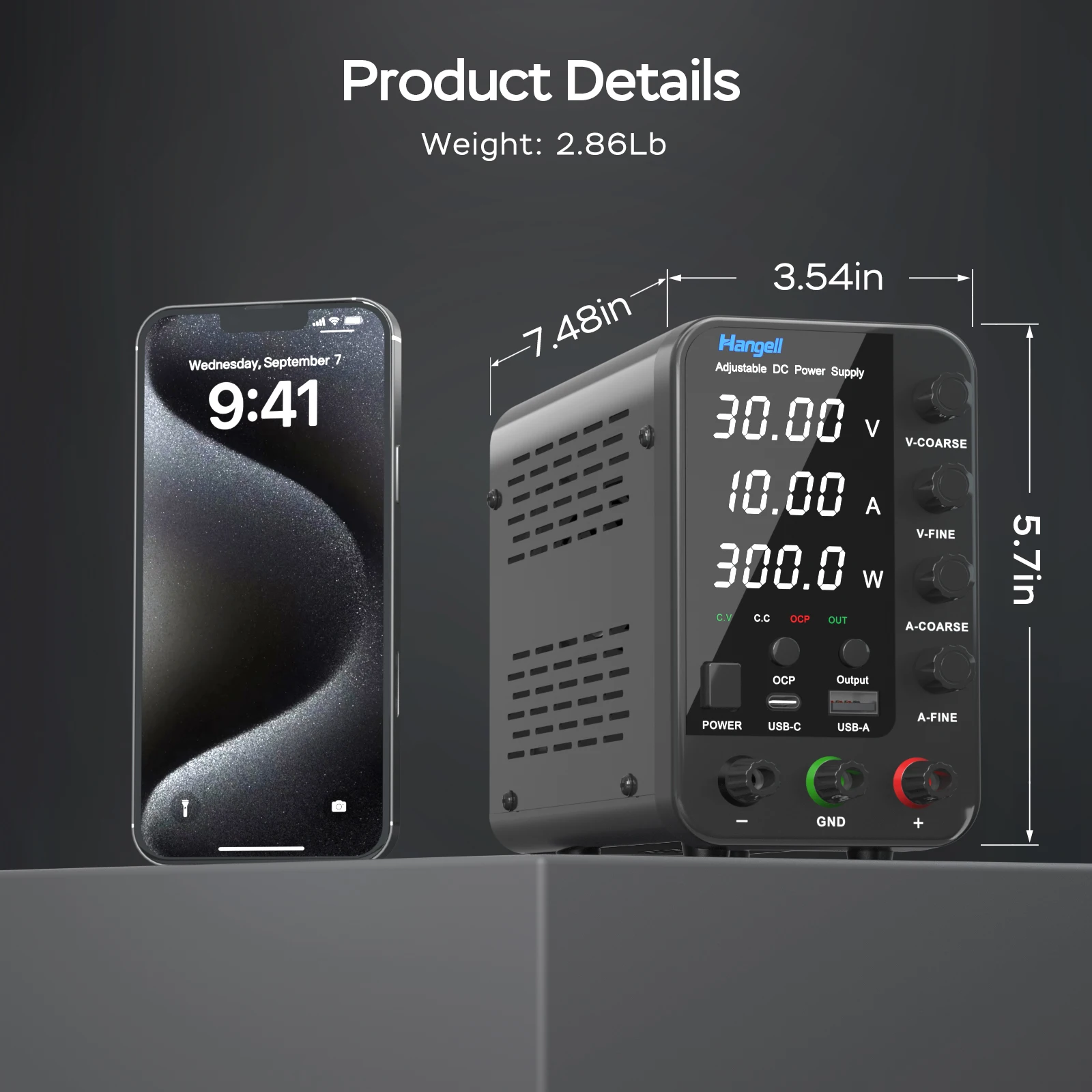
Choosing a bench power supply is mostly about matching the voltage range to the work you do, and this adjustable DC unit offers three common tiers: 30V, 60V and 120V. For most low-voltage electronics - laptops, phones, single-board computers, LED drivers and general circuit testing - a 30V rail covers the vast majority of jobs, while 60V suits higher-voltage boards and 120V is aimed at specialized work. Because the voltage is fully adjustable and the current can be preset, you can dial in a safe limit before connecting a device: if the circuit pulls more than expected, the supply clamps instead of letting it burn out, which is exactly what you want when fault-finding a board. A physical ON/OFF switch lets you cut output without unplugging, handy when swapping test leads at the bench. It is a switching (SMPS) design, so it stays relatively light and efficient for a workshop supply, and it suits electronics repair, hobby projects, battery charging and lab experiments.
Product images
Pros & cons
Pros
- Three selectable voltage tiers: 30V, 60V or 120V
- Fully adjustable voltage with preset current limiting
- ON/OFF switch for quick, safe output control
- Switching (SMPS) design, compact for the bench
Cons
- Not a programmable supply - no PC or remote control
- Voltage and current ceiling depends on the model you order