 -52%
-52%
A Cordless Spin Scrubber for Shower, Sink, Tile and Grout: What It Cleans Well, and the Surfaces to Keep It Off
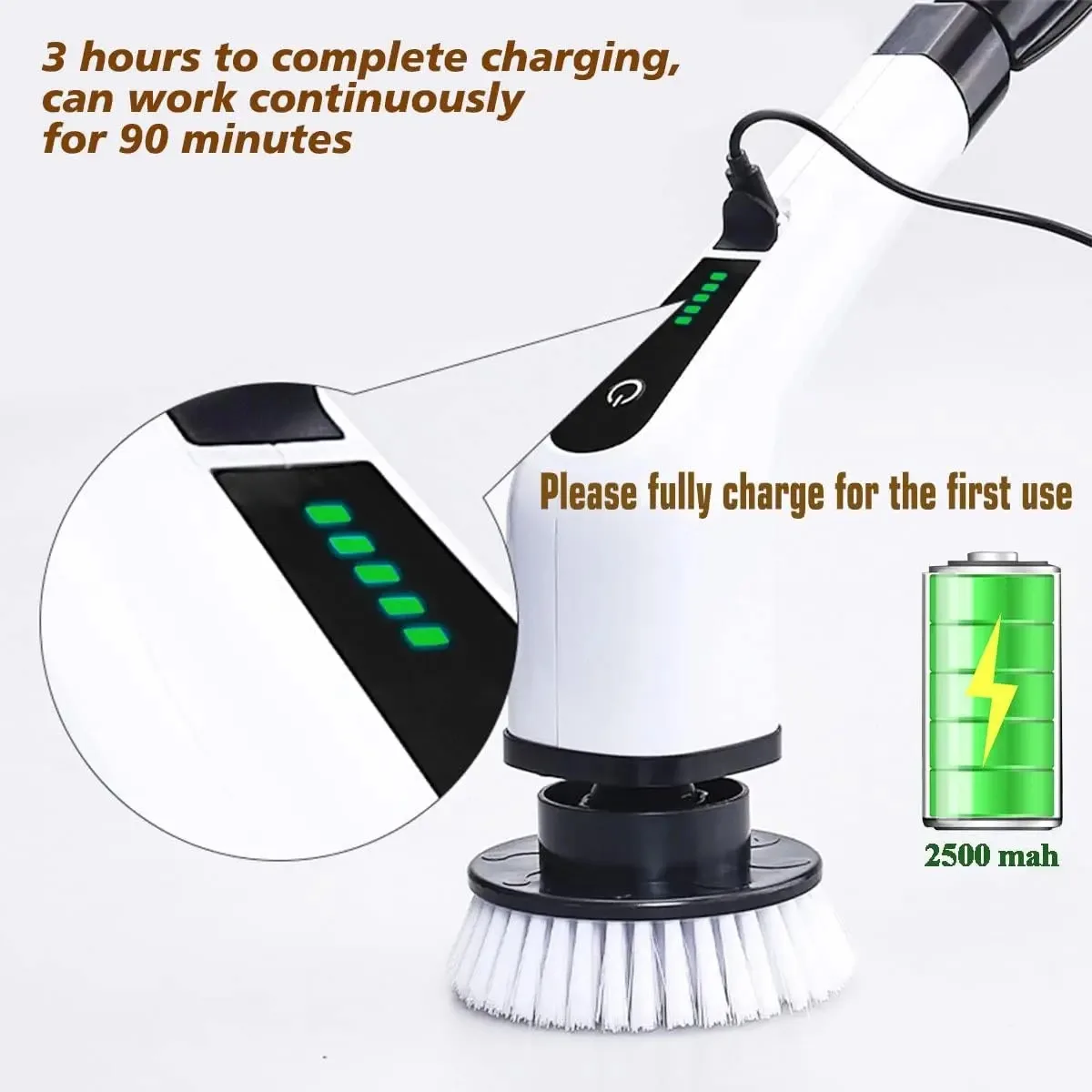
The selling point of a cordless spin scrubber is the rotating head doing the scrubbing for you, and what decides whether you are happy with it is fit — fit between the brush and the surface, and fit between the tool and the corner you cannot reach. The listing puts this one on shower, sink, tile, grout, kitchen and bathroom duty, and calls it multipurpose. Check four things before you order. First the surface: a spinning brush is right for glazed tile, grout lines, stainless sinks and shower trays, but it can dull or scratch acrylic, enamel, polished stone and non-stick or painted finishes, and a stiff brush on a glossy surface leaves marks that no amount of rinsing removes — confirm the bristle material and hardness with the seller, because the listing does not name them. Second the heads: the listing does not say how many brush heads come in the box, whether they are swappable, or whether one of them is the narrow type you need for grout lines, so ask. Third the water: this is a powered tool used in a shower and around a sink, yet no IP rating is stated — confirm whether the body is sealed against splashes only or can be submerged, and never assume. Fourth the power: cordless means a built-in battery, and the listing gives neither runtime nor charging time nor a spare-battery option, so check how long one charge lasts and how you top it up. On top of that, decide whether it actually reaches: handles on this type are usually short, and if you want to clean a floor or the top of a shower wall without kneeling or stretching, confirm the length and whether an extension is offered. It will not replace a soft cloth on a delicate surface or a steam cleaner against grease, and it will not get into narrow gaps that a toothbrush reaches. 2318 sold with a 98.0% positive rating.